Fixing a flat tire is a valuable skill that saves you time and money on the road. This comprehensive guide explains how to patch a tire safely using a plug or patch kit. We cover essential safety rules, step-by-step instructions, and how to identify if your tire is safe to repair or requires professional replacement.
What Tools Do You Need for DIY Tire Repair
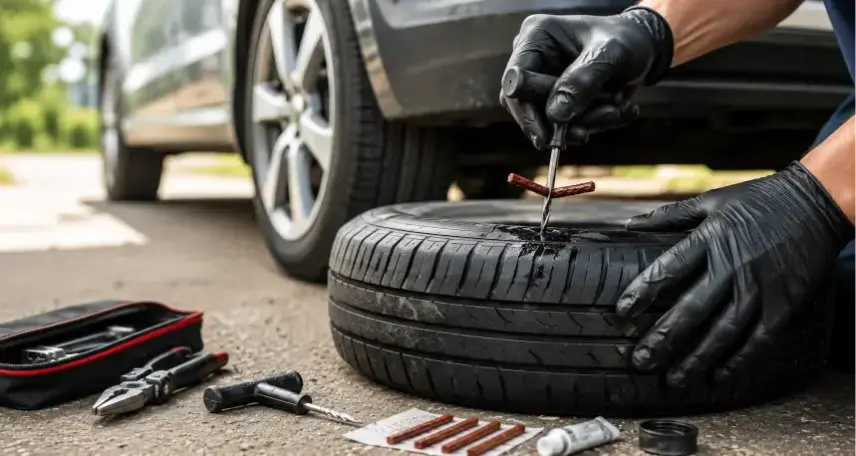
Before you begin learning how to patch a tire, gather the proper equipment. You will need a car jack, jack stands, and a lug wrench to remove the wheel safely. For the repair itself, a high-quality tire repair kit is essential. This kit must contain a reaming tool to clean the hole, an insertion needle, tire repair strips or plugs, and rubber cement. Having a tire pressure gauge and a portable air compressor on hand ensures you can reinflate the tire to the correct manufacturer specifications immediately after the repair is complete.
How to Patch a Tire Safely Step by Step
Safety is the top priority when learning how to patch a tire. Start by parking your vehicle on a flat, stable surface, engaging the parking brake, and loosening the lug nuts before jacking up the car. Once the wheel is removed, locate the puncture by looking for embedded nails or listening for escaping air. If the leak is hard to find, spray the tire with soapy water and watch for bubbling. Remove the debris using pliers, then use the reaming tool to clean and roughen the puncture hole. Coat your repair plug with rubber cement, thread it into the insertion tool, and push it firmly into the puncture until about a half inch remains visible. Pull the tool straight out quickly, trim the excess plug material flush with the tread, reinflate the tire, and check for leaks again with soapy water.
Understanding the Best Practices for Temporary Plugs vs Permanent Patches
When researching how to patch a tire, it is vital to know the difference between a temporary roadside plug and a permanent repair. A standard plug inserted from the outside is an excellent temporary fix to get you to a service station. However, the Rubber Manufacturers Association states that a proper, permanent repair requires removing the tire from the rim to inspect the internal structure. A combination patch and plug inside the tire seals the inner liner and fills the puncture path, preventing moisture from rusting the internal steel belts over time.
When Is a Puncture Too Severe to Repair at Home
Not every flat tire can be fixed in your driveway. You must inspect the location and size of the puncture before deciding how to patch a tire. Punctures located on the sidewall or the shoulder of the tire cannot be repaired because these areas experience the most flex and stress during driving. Additionally, if the puncture diameter is larger than one-quarter inch, or if the tire has sustained severe cuts or gashes, a repair will not hold. In these situations, attempting a DIY fix compromises your safety on the road.
Why Internal Tire Damage Requires Professional Inspection
Looking at the outside of your tread does not reveal the whole story. If you drove on the tire while it was significantly underinflated, the internal sidewall liner may have degraded, creating dangerous hidden damage often called run-flat ruin. A professional technician must dismount the tire from the wheel to check for internal rubber scraping, heat discoloration, or separated plies. Skipping this step means you might successfully seal the air leak while leaving the structural integrity of the tire deeply compromised.
Where Can You Get Professional Tire Repair in Burnaby
If the puncture is located near the tire shoulder or if you feel unsure about performing the repair yourself, seeking professional assistance is the smartest choice. For drivers experiencing complex flats or structural concerns, visiting a certified facility ensures your vehicle remains safe to operate. You can easily book an expert evaluation and receive certified tire repair service in Burnaby to ensure your tires meet strict safety regulations before you hit the highway again.
How to Prevent Future Tire Punctures and Flat Tires
Maintaining your tires extends their lifespan and reduces the risk of unexpected roadside flats. Check your tire pressure at least once a month using a reliable gauge, as properly inflated tires repel road debris much better than underinflated ones. Routinely inspect your tread for embedded gravel, small tacks, or unusual wear patterns. Rotating your tires every five thousand to seven thousand miles ensures even wear, which keeps the rubber strong and resilient against the daily hazards of commuting.
Choose Certified Experts for Your Automotive Needs in Burnaby
Your safety depends heavily on the condition of your wheels and mechanical components. When you need comprehensive maintenance or find yourself dealing with complex automotive issues, visiting an established local garage provides peace of mind. The experienced team at KMF Automotive delivers dependable workmanship and thorough inspections to keep your car performing at its peak.
Book Your Next Professional Vehicle Service Appointment Today
Do not let a stressful flat tire or deferred maintenance routine disrupt your busy schedule. Whether you need a quick inspection, a durable puncture fix, or comprehensive mechanical repairs, finding a trusted partner makes all the difference. Get in touch with the friendly technicians at our premier auto repair shop in Burnaby by visiting our dedicated online portal to contact us and schedule your service today.
Frequently Asked Questions
Can I patch a tire that has a nail in the sidewall
No, you cannot patch a tire with a sidewall puncture. The sidewall experiences intense flexing and pressure while cornering and driving, which causes patches or plugs to fail quickly. Sidewall damage compromises the structural integrity of the tire, meaning the only safe solution is to replace the tire entirely.
How long can you safely drive on a patched tire?
A professionally installed combination patch and plug can last for the remaining legal lifespan of the tire tread, provided the repair was done within the safe repairable zone. Temporary external plugs installed at home should only be driven on long enough to reach a professional repair facility.
Is it better to patch or plug a damaged tire?
A combination patch and plug applied from the inside is always the superior method. While a plug alone is quick and convenient for roadside emergencies, an internal patch seals the inner liner securely and prevents moisture from entering the tire structure and corroding the steel belts.
How many times can a single tire be patched safely
A tire can typically be repaired up to three times if the punctures are far apart. The guidelines state that repairs must be at least ninety degrees apart from each other and must never overlap. If a new puncture occurs near an old repair, the tire must be replaced.
What is the maximum size puncture that can be patched
The maximum allowable size for a safe tire repair is one quarter of an inch in diameter, which is about six millimeters. Any puncture, cut, or tear larger than this measurement cannot be safely sealed by a plug or patch, requiring a brand new tire.
Can you use a tire repair kit on run flat tires?
Most manufacturers advise against repairing run flat tires because it is extremely difficult to determine if the internal structure was damaged while driving without air pressure. It is best to consult the specific tire manufacturer guidelines or bring the vehicle to a certified shop.
Key Takeaways: How to Patch a Tire
- Always check the puncture location because only tread damage is repairable
- Never attempt to repair sidewall damage or punctures larger than one quarter inch
- A tire plug is a temporary fix while a combination patch plug is the safest permanent solution
- Proper tools like a reamer, insertion tool, and rubber cement are vital for success
- Internal inspection is required to ensure the inner liner has not sustained run-flat damage