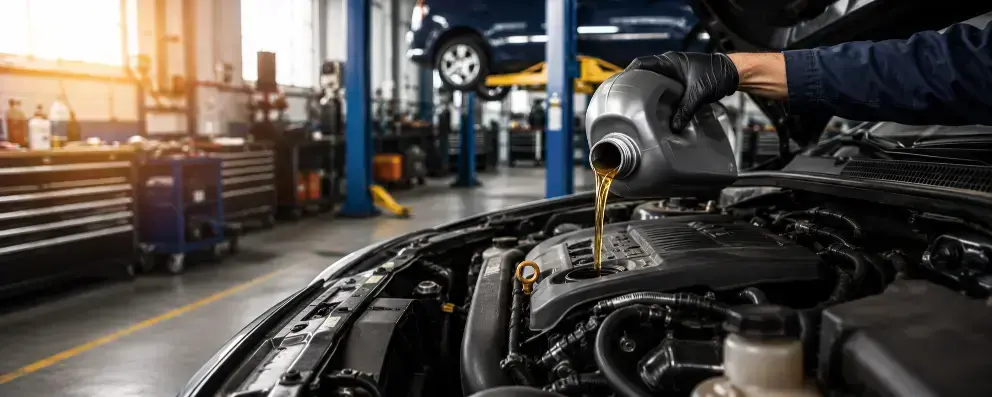
Engine longevity relies entirely on clean, high-quality lubrication to prevent destructive friction. This comprehensive guide answers exactly how often you should change your oil based on your specific driving habits and lubricant types. We outline factory standard replacement schedules, warning signs of severe degradation, and when to seek a certified professional flush.
What Factors Dictate How Often You Should Change Your Oil
Several critical variables establish the exact calendar time or distance you can safely drive between vehicle services. The underlying base chemistry of your chosen lubricant is the main factor, as advanced synthetic blends resist thermal breakdown far better than standard crude formulas. Your daily driving environment also plays a massive role because stop-and-go city traffic strains components much harder than steady highway cruising. Additionally, regional temperature extremes, towing heavy loads, and the age of your engine assembly will alter your ideal maintenance timeline. If you want to see how these factors impact your overall vehicle health, visit the KMF Automotive homepage for a full overview of our maintenance philosophies.
How Often Should You Change Your Oil Based on Lubricant Types
When organizing your automotive maintenance plan, you must match your service schedule to the exact grade of fluid inside your engine block. If your vehicle utilizes older conventional oil, you should schedule a change every five thousand kilometers to avoid heavy carbon buildup. Vehicles running on modern semi-synthetic blends can safely stretch their driving intervals to roughly seven thousand five hundred kilometers. For top-tier protection, premium full synthetic lubricants provide exceptional stability that safely protects your moving parts for up to twelve thousand kilometers before requiring replacement.
Understanding the Dangers of Following a Strict Mileage Schedule Alone: How Often Should You Change Your Oil
Relying entirely on your odometer reading to determine how often you should change your oil can lead to silent engine damage. Motor fluid naturally breaks down and absorbs airborne moisture over time, even if your vehicle sits parked in a driveway for weeks. If you only log light mileage, you must replace your fluid every six months regardless of the distance driven. Ignoring the calendar timeline allows stagnant, moisture-laden fluid to cause internal corrosion across delicate valve lifters and bearings.
When Are Engine Lubrication Symptoms Too Severe to Delay
You must regularly monitor your vehicle behavior to catch early warning signs of advanced fluid degradation before a catastrophic failure occurs. If you notice a persistent ticking sound coming from your hydraulic lifters or see a dark smoke plume exiting the tailpipe, your fluid is spent. Checking the dipstick and finding thick, pitch-black sludge or a milky appearance indicates advanced contamination or internal coolant mixing. Operating your vehicle with these active mechanical faults puts you at risk of total engine failure, requiring immediate emergency shop care.
Why Professional Multi-Point Checks Beat Simple Driveway Drains
Performing a quick fluid drain in your residential driveway does not offer the same security as an industrial garage evaluation. Experienced mechanics do not just drain the pan; they inspect the spent fluid for microscopic metal flakes that signal premature bearing wear. Professionals also ensure the installation of a high-quality, factory-matching filter to prevent internal pressure bypass issues. Skipping this comprehensive inspection means you might pour in clean fluid while completely missing hidden vacuum leaks or brittle cooling hoses.
Where Can You Get Professional Oil Change Service in Burnaby
You do not have to struggle with disposing of toxic waste or worry about using the wrong fluid specification for your vehicle. Bringing your car to a certified local shop ensures your engine is filled with precise, manufacturer-approved lubricants that protect your warranty. Our experienced team uses elite components to maximize your fuel economy and keep your engine running quietly. Schedule a comprehensive, factory-approved oil change in Burnaby with our top-tier mechanical team today.
How to Protect Your Engine and Maximize Your Fluid Lifespan
Adopting a few proactive maintenance habits will keep your internal components running smoothly between your scheduled service appointments. Avoid taking frequent ultra-short trips that prevent your engine from reaching its full operating temperature, as this leaves unburned fuel in the oil pan. Check your fluid level manually at least once a month using the dipstick to catch slow leaks early. Keeping your engine air filters clean also prevents outside dust from bypassing seals and turning your clean lubricant into a gritty paste.
Rely on Certified Technicians for Complete Automotive Care in Burnaby
Preserving the performance, safety, and long-term resale value of your vehicle demands verified mechanical expertise and premium products. From routine fluid maintenance and tire rotations to advanced electronic troubleshooting and complex system repairs, choosing an established facility ensures total reliability. The professional team at our top-rated auto repair shop in Burnaby focuses on delivering transparent pricing and quality workmanship to keep your car performing at its peak.
Contact Our Local Facility to Book Your Repair Appointment Today
Do not take unnecessary chances with dark dipstick fluid, engine ticking noises, or deferred maintenance windows that endanger your vehicle’s life. Secure a fast, factory-approved solution that keeps your everyday commute stress-free and completely protects your automotive investment. Click over to our main digital booking portal right now to contact us and schedule your premium maintenance appointment today.
Frequently Asked Questions
Can I switch from conventional to synthetic oil safely?
Yes, you can safely switch from conventional to full synthetic oil on almost any modern vehicle without causing seal leaks. Synthetic fluid flows faster during cold starts and resists high-temperature oxidation much better, providing vastly superior structural protection. It is always wise to consult your owner’s manual to verify the correct viscosity rating before making the upgrade.
How long does a professional oil change service take
A standard professional service takes between thirty to forty five minutes to complete in a properly equipped automotive garage. The process involves lifting the vehicle, draining the old oil completely, replacing the filter with a fresh gasket, and refilling to the exact level. Technicians also use this window to complete a vital safety inspection of other fluids.
Why does dirty engine oil reduce my vehicle fuel economy?
Dirty oil loses its slickness and becomes increasingly viscous over time, which creates significant mechanical drag inside the engine. The internal pistons and crankshaft must work much harder to slice through the thickened sludge, consuming extra fuel during everyday acceleration. Fresh lubricant restores smooth operation and keeps your fuel consumption low.
What happens if I drive past my scheduled service window
Driving past your due date causes the additive packages inside the oil to break down completely, leaving your engine vulnerable to metal-on-metal wear. As the fluid oxidizes, it transforms into a thick black sludge that blocks narrow oil passages and starves critical components. This neglect can lead to thousands of dollars in major engine repairs.
Is it necessary to replace the filter with every change
Yes, you must replace the oil filter every single time you change your engine fluid. The filter captures harmful soot, metal shavings, and debris over thousands of kilometers. Leaving a clogged, old filter in place will contaminate your brand new oil immediately and can force the filter bypass valve open, allowing unfiltered debris to circulate.
Does city stop-and-go driving require more frequent changes
Yes, consistent stop-and-go driving in city environments qualifies as severe operating conditions under manufacturer guidelines. Frequent idling, short trips, and constant acceleration create higher engine operating temperatures and accelerate oil contamination. If you primarily commute within the city, you should adhere to a shorter replacement interval.
Key Takeaways
- Conventional oil requires a complete change every five thousand kilometers for maximum safety
- Full synthetic formulas extend your safe driving window up to twelve thousand kilometers
- Short city commutes with frequent cold starts degrade your lubrication rapidly over time
- Skipping scheduled maintenance causes internal engine sludge, reducing total fuel efficiency
- Booking a certified technician guarantees a proper filter swap and structural fluid analysis